


Pocket Ants: Colony Simulator
4.312.94K Reviews
App Specs
- Version
- 0.1153
- Updated On
- License
- Free
- Downloads
- 10,000,000+
- Developer
- Ariel-Games
- Categories
- Strategy
- Platform
- Android
Screenshots
 Analysis by AppCompare
Have you ever wondered what it’s like to be the mastermind behind a thriving ant colony? Well, that’s exactly what Pocket Ants: Colony Simulator offers! I’ve spent some quality time navigating through this quirky game, and honestly, it’s been an unexpected delight. Let’s dive into the nitty-gritty of what makes this game tick and whether it’s worth your precious screen time.
What to expect from a session
I’d approach this as a gradual strategy game, not a quick burst of action. The satisfaction comes from turning small choices about gathering and nest growth into a stronger colony over time. If you open it hoping for a constant stream of dramatic battles, the quieter work of building up may feel slow. If you enjoy checking progress, choosing a next priority, and letting a plan take shape, that pace is a better fit.
A useful way to play is to decide on one immediate goal before you start: gather what you need for a nest improvement, build up your forces, or prepare for a raid. That simple habit helps keep resource decisions purposeful. It also makes it easier to stop after a short session without feeling that you have left several unrelated tasks half-finished.
When the colony gets busy
The most involved moments are the ones where several strategic demands compete for attention. A larger army can make raiding more appealing, but investing in the nest and keeping the colony supplied are also important. I’d avoid treating every available resource as an invitation to spend it immediately; holding back for a planned upgrade can be more useful than making several small changes without a clear direction.
For a realistic routine, imagine checking the game during a break, making a focused collection or upgrade decision, then returning later when you have time to think through a raid. That split suits the game’s mix of ongoing development and deliberate choices better than trying to rush every part at once. When you do choose combat, think about what you want from the raid before sending your force: chasing resources and simply testing your strength are not quite the same goal.
There is a trade-off here for players who like to multitask. The colony theme feels relaxed, but the competition between growth and military strength asks you to pay attention to priorities. I found it more rewarding to make one sensible decision at a time than to tap around quickly and hope that the nest would improve on its own.
Reliability and the limits of a review
I can judge the game’s basic rhythm and presentation, but I wouldn’t promise the same smooth experience on every device or network. Online play naturally makes raids a different proposition from quiet colony management, and a connection issue at the wrong moment could make a competitive session less convenient. For that reason, I’d treat the planning side as the dependable core and save raids for a moment when you can give them your attention.
Worth Reading Before You Choose

Flipboard Shows What News Apps Must Do Beyond the Feed

Switching to Android Auto Means Rethinking Your Driving Routine

Google Calendar Makes a Crowded Week Easier to Manage

Ludo King Makes the Most of the Minutes Between Plans

Baby Panda World Brings Quick Play to Modern Phones, but Its Game Library Feels Busy

ESPN’s Live Game View Makes Following Close Games Easier
That is also why I wouldn’t recommend building your whole routine around uninterrupted play. The game is easier to enjoy when you can return to it without expecting every visit to be a major event. If something interrupts a session, it is better to resume with a fresh goal than to assume you must immediately recover every resource or opportunity you think you missed.
How it fits on a phone
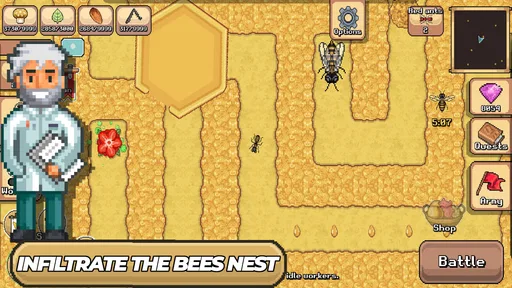
This is a strategy game with a lot of small visual elements: ants, resources, and the nest all need to remain easy to read. Its colorful, cartoon-like presentation helps separate those pieces, though players who prefer a highly realistic look may find the style too playful. I’d also expect a busier colony or battle to ask more of your attention than a quiet visit, simply because there is more to follow on screen.
If your phone is older or already feels sluggish with games, it makes sense to try a short session first rather than assume that every device will handle it identically. The game is free to download, but optional in-app purchases range from $0.99 to $99.99 per item, so I’d make progress through the regular strategic loop before deciding whether spending fits your preferences. There is no need to treat a purchase as the default way to enjoy a colony-building game.
Stepping Into the Ant World
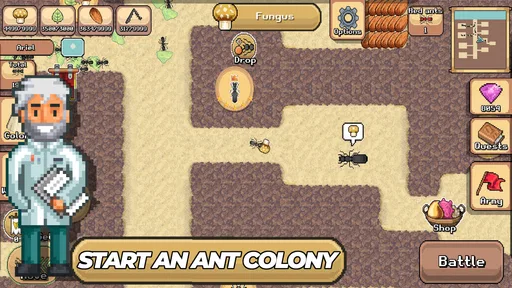
First things first, Pocket Ants: Colony Simulator isn’t just any ordinary simulation game. It’s a meticulous blend of strategy and resource management that keeps you on your toes. You start with a small group of worker ants and, little by little, expand your colony to become the envy of the ant world.
The game kicks off with a straightforward tutorial that’s perfect for newbies. It guides you through the basics of gathering resources like leaves, food, and even the occasional aphid for that sweet, sweet honeydew. Trust me, the sense of accomplishment you get from watching your ants haul resources back to the nest is oddly satisfying.
The Art of Colony Management
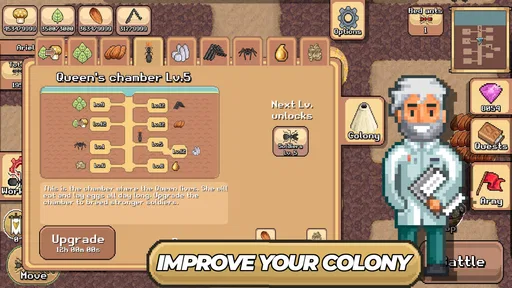
Managing your ant colony is where the real fun begins. You’re in charge of upgrading your nest, expanding your army, and ensuring the queen is well-fed and content. It’s all about balancing your resources wisely. Will you focus on expanding your army, or perhaps you’d rather strengthen your defenses? The choices you make significantly impact the prosperity of your colony.
I found myself constantly strategizing, trying to optimize resource collection and balance out my ant army. It’s a bit like playing chess, but with ants. You need to think a few steps ahead and adapt to the ever-changing environment.
Combat and Conquest
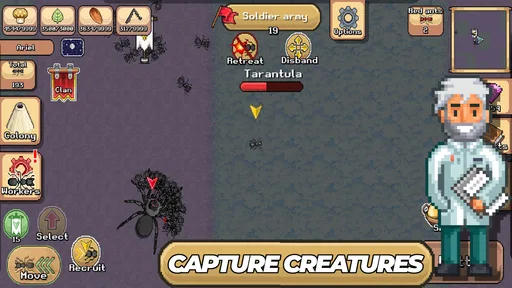
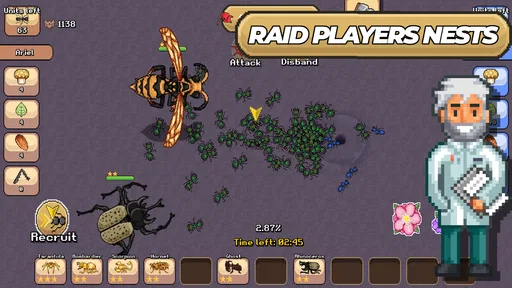
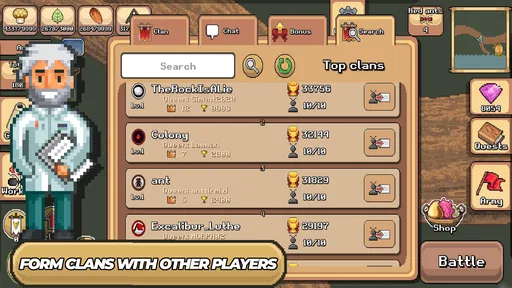
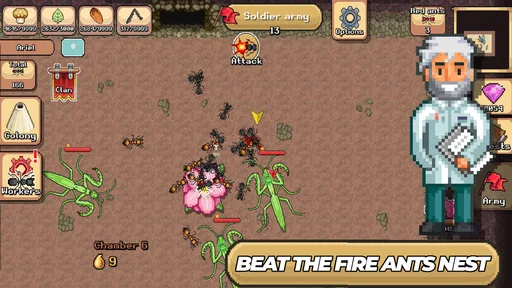
What’s a colony without a bit of action, right? Pocket Ants doesn’t disappoint in this department. There’s a PvP element where you can raid other players’ colonies for resources. It’s thrilling to plan a raid, send your army into battle, and reap the rewards of your strategic prowess. Just be prepared, because other players might have the same idea about your colony!
The combat system isn’t overly complex, which is a relief. You choose your troops, set them off, and watch the chaos unfold. It’s pretty fun to see your little soldiers in action, especially when you come out victorious.
More than a quick ant-themed distraction
The game is a free strategy title from Ariel-Games, aimed at Everyone, and its appeal is quite specific: it turns the familiar idea of an ant nest into a contest between patient development and opportunistic attacks. The audience figures suggest it has found a broad following, with more than 10 million installs and an average rating of 4.3 from around 334,000 ratings. Those numbers are context, not a guarantee that its particular mix of waiting, resource choices, and PvP will suit every player.
Compared with a conventional base-building strategy game, the colony theme gives its resource loop a more tactile, compact feel. You are not managing a sprawling human kingdom; you are weighing the needs of a nest, its workers, and its fighting force. Compared with a pure idle game, it asks for more deliberate choices, especially when you decide whether to strengthen your own position or take a risk against another player. If you want direct control over every unit or a deep tactical battle system, the simplified combat may feel thin. If you want a lighter strategic layer around collecting and expanding, that simplicity is part of the appeal.
Small choices that improve the flow
One non-obvious advantage of the game’s structure is that you can make progress without turning every visit into a raid. I’d use the gathering and nest-development loop to set up a stronger position, then treat PvP as a choice rather than a duty. That approach is useful if you enjoy competitive play but don’t want every session to end with a battle, and it reduces the temptation to spend resources impulsively just to feel active.
Another practical tip is to keep your priorities narrow. When I try to pursue nest growth, army expansion, and an attack plan all at once, each goal competes for the same attention. Picking the one that matters most for the current visit makes the colony easier to manage. It also helps newcomers learn what each choice does before they start making several changes and lose track of why they made them.
The tutorial helps with the basics, but I wouldn’t mistake that for a complete strategy guide. The meaningful learning comes from seeing how resource decisions affect your own preferred pace. A cautious player can use early sessions to understand the collection loop and nest upgrades before testing PvP; someone drawn mainly to competition may prefer to build a reasonable foundation first, so a raid feels like a considered move rather than a gamble made out of impatience.
Who will enjoy it, and who may not
I’d recommend it to someone who likes watching a small system grow and doesn’t mind revisiting the same colony with a new goal. It can suit short phone breaks because gathering and planning provide a natural stopping point, while the larger project of improving the nest gives returning players a reason to continue. The strategic decisions are accessible enough for a newcomer, but there is still a satisfying tension in deciding how much to commit to offense versus development.
I’d skip it if you need a game that is instantly thrilling every time you open it, or if competitive raids are the only part that interests you. The resource-management stretches are central rather than filler, and the combat is intentionally straightforward rather than a detailed tactical simulator. Players who prefer a purely solo experience may also want a strategy game that does not place player-versus-player raiding at the center of its action.
It is also worth knowing that the game is free to start, not entirely free of purchase prompts as a category of experience: in-app purchases are available from $0.99 to $99.99 per item. I would first see whether the normal loop is enjoyable before considering any spending. That is especially sensible here because the core question is whether you like the steady colony-building rhythm, not whether you can speed past it.
Version, access, and the performance verdict
The game was released on June 27, 2020, and the current version is 0.1131. It requires Android 7.1 or later, so checking your device’s operating-system version before installing is a straightforward first step. Its Everyone content rating makes the theme broadly approachable, although the online raiding element may be more appealing to players who actively enjoy competition than to those who want a purely gentle simulation.
As for speed and stability, I’d keep expectations measured. The visual style is clear and uncomplicated, but that alone does not prove how the game will run on a particular phone. On a device that already struggles with games, try a brief session and see whether the colony view and combat remain comfortable to follow. If you are playing online, a stable connection is a sensible part of planning a raid; for a casual visit focused on colony management, there is less reason to make the session a high-stakes test.
Overall, I see this as a compact strategy game for players who enjoy gradual progress, resource trade-offs, and the occasional competitive raid more than elaborate battles or constant action. It is approachable, but it asks for patience: the satisfying part is shaping a colony through repeated decisions, not receiving a dramatic payoff every minute. If that sounds like the kind of small world you would enjoy returning to, it is worth trying; if you want deep combat, a guaranteed fast pace, or a strictly offline solo game, another strategy option will probably suit you better.
Graphics and Sound
While the graphics aren’t mind-blowing, they’re charming in their own right. The colorful, cartoonish style adds a playful feel to the game, and honestly, it suits the theme perfectly. The animations are smooth, and it’s easy to distinguish between different types of ants and resources.
As for the sound, the upbeat music and quirky sound effects keep the atmosphere light and engaging. It’s the kind of game where you’ll find yourself humming along as you play.
Final Thoughts
So, is Pocket Ants: Colony Simulator the perfect game for everyone? Probably not. But if you’re into strategy and simulation games, it’s definitely worth checking out. It’s a game that requires patience and a bit of strategic thinking, but the rewards are plentiful. Watching your colony grow from a tiny nest to a full-blown empire is incredibly satisfying.
In the end, Pocket Ants offers a unique twist on the simulation genre. It might not have the flashiest graphics or the most complex mechanics, but it’s endearing and genuinely fun. So if you’re ready to become the supreme leader of your own ant colony, give it a shot. You might just find yourself addicted to this tiny world!
Pros
- Engaging strategy gameplay.
- Regular updates with new content.
- No internet required for play.
- Detailed colony management options.
- Interactive and immersive graphics.
Cons
- In-app purchases can be expensive.
- Progression can be slow without spending.
- Some users report occasional bugs.
- Limited tutorial for beginners.
- Requires device storage space.
FAQs for Pocket Ants: Colony Simulator
What is the main objective of Pocket Ants: Colony Simulator?
The primary goal of Pocket Ants: Colony Simulator is to manage and grow your ant colony. Players must gather resources, expand their territory, and strategically enhance their colony's infrastructure. As the leader, you'll also need to defend against predators and rival colonies. The immersive gameplay requires strategic planning and resource management skills.
How do I gather resources in Pocket Ants?
Resource gathering in Pocket Ants involves sending your worker ants to collect essential items like food, leaves, and seeds. These resources are crucial for expanding your colony and upgrading various structures. You'll need to manage your ants efficiently, ensuring you have enough to handle both resource collection and colony defense.
Are there any in-app purchases in Pocket Ants?
Yes, Pocket Ants offers in-app purchases that can enhance your gameplay experience. These purchases typically include items that speed up progress, such as additional resources or special ants. While in-app purchases can provide a boost, they are not necessary to enjoy the game fully, as players can progress through regular gameplay.
Can I play Pocket Ants offline?
Pocket Ants is designed primarily as an online game to provide a dynamic and interactive experience. However, certain features may be available offline, such as resource gathering and basic colony management. For full functionality, including events and competitive play, an internet connection is recommended.
What strategies can help in defending my colony?
To protect your colony effectively, it's crucial to balance between offense and defense. Upgrade your soldier ants to enhance their combat abilities, and strategically place your defenses around the colony. Participating in raids and alliances can also bolster your defenses by providing additional resources and strategic advantages against enemies.


